What is giving up ?
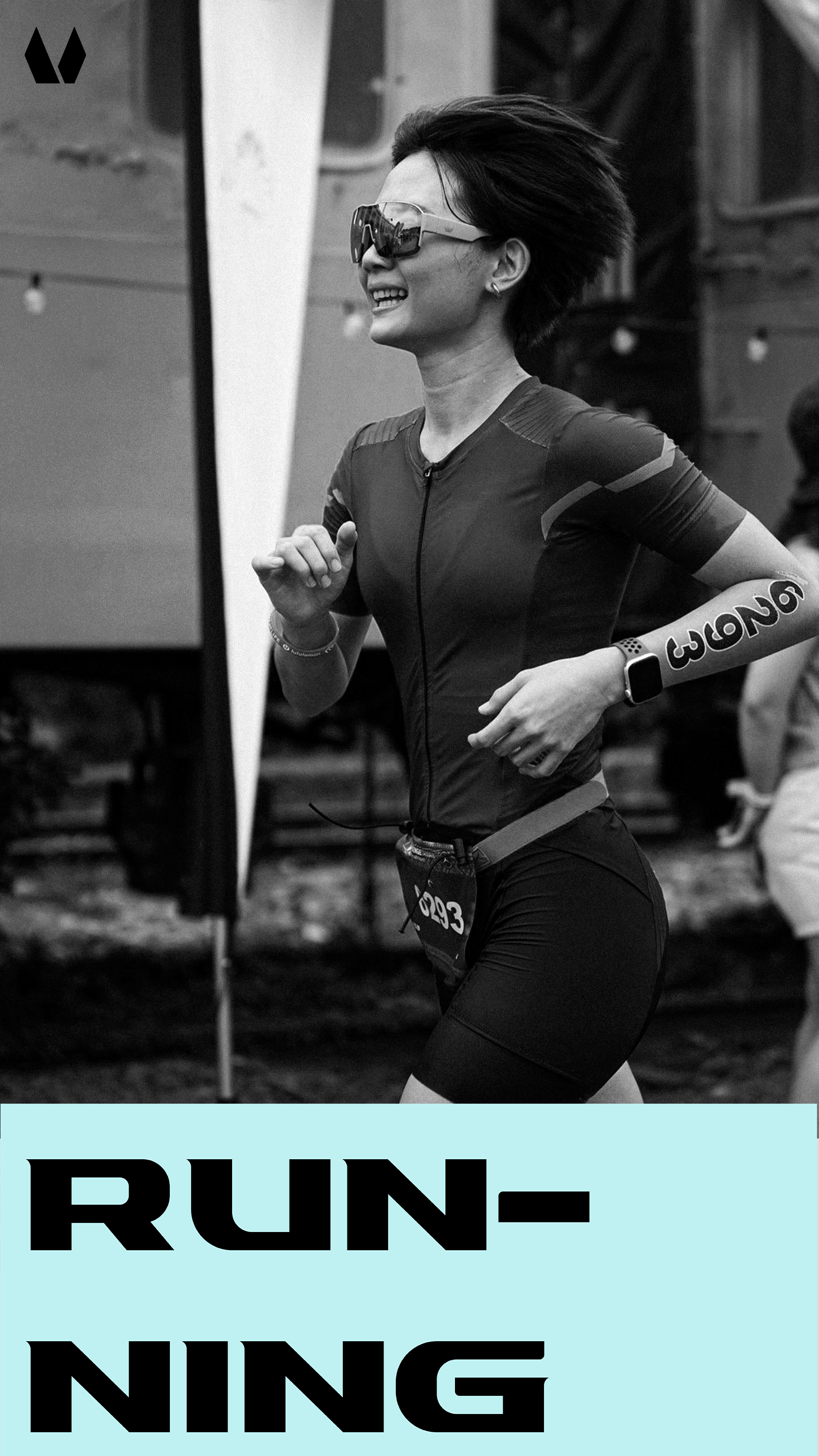
Why Wear Sunglasses for Running?
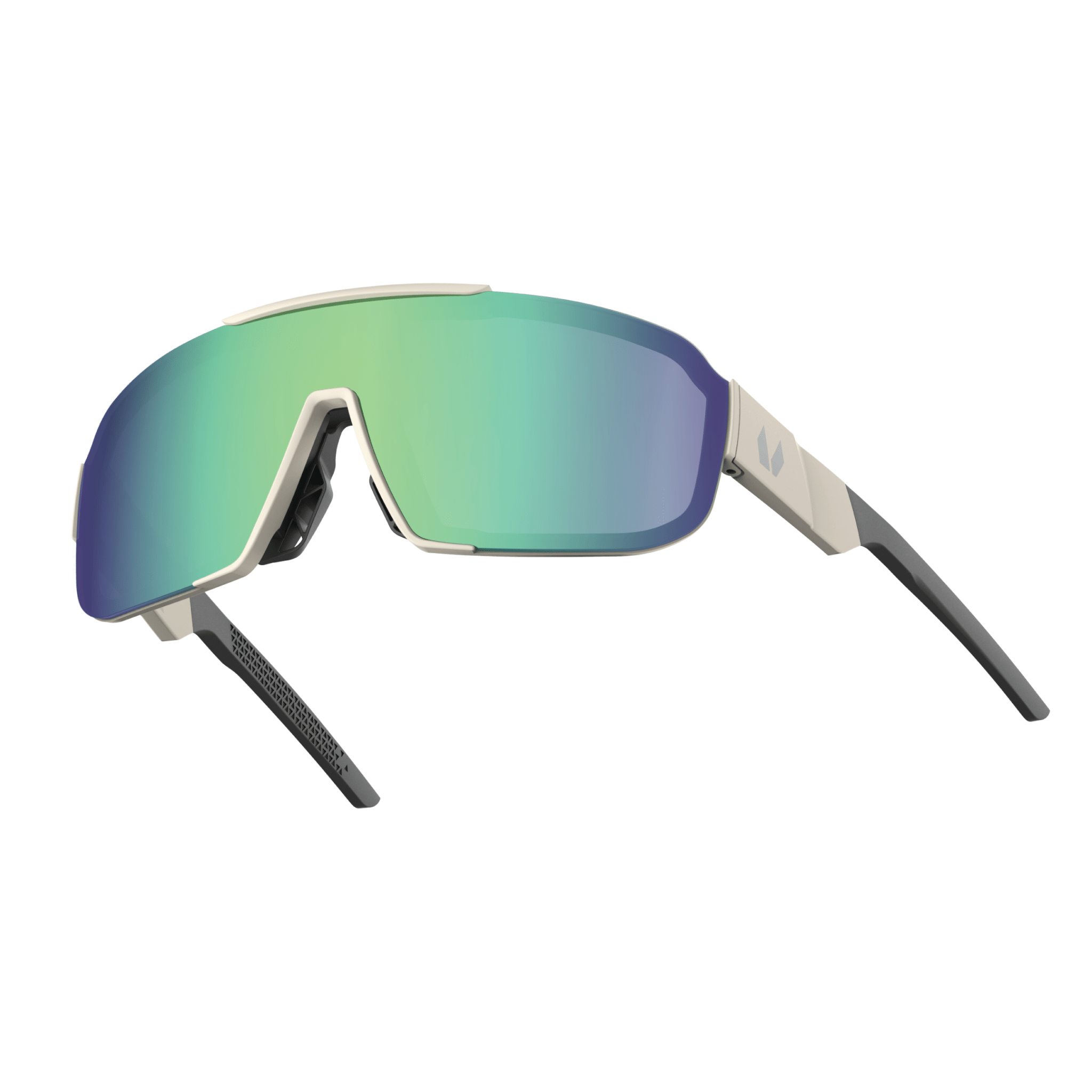
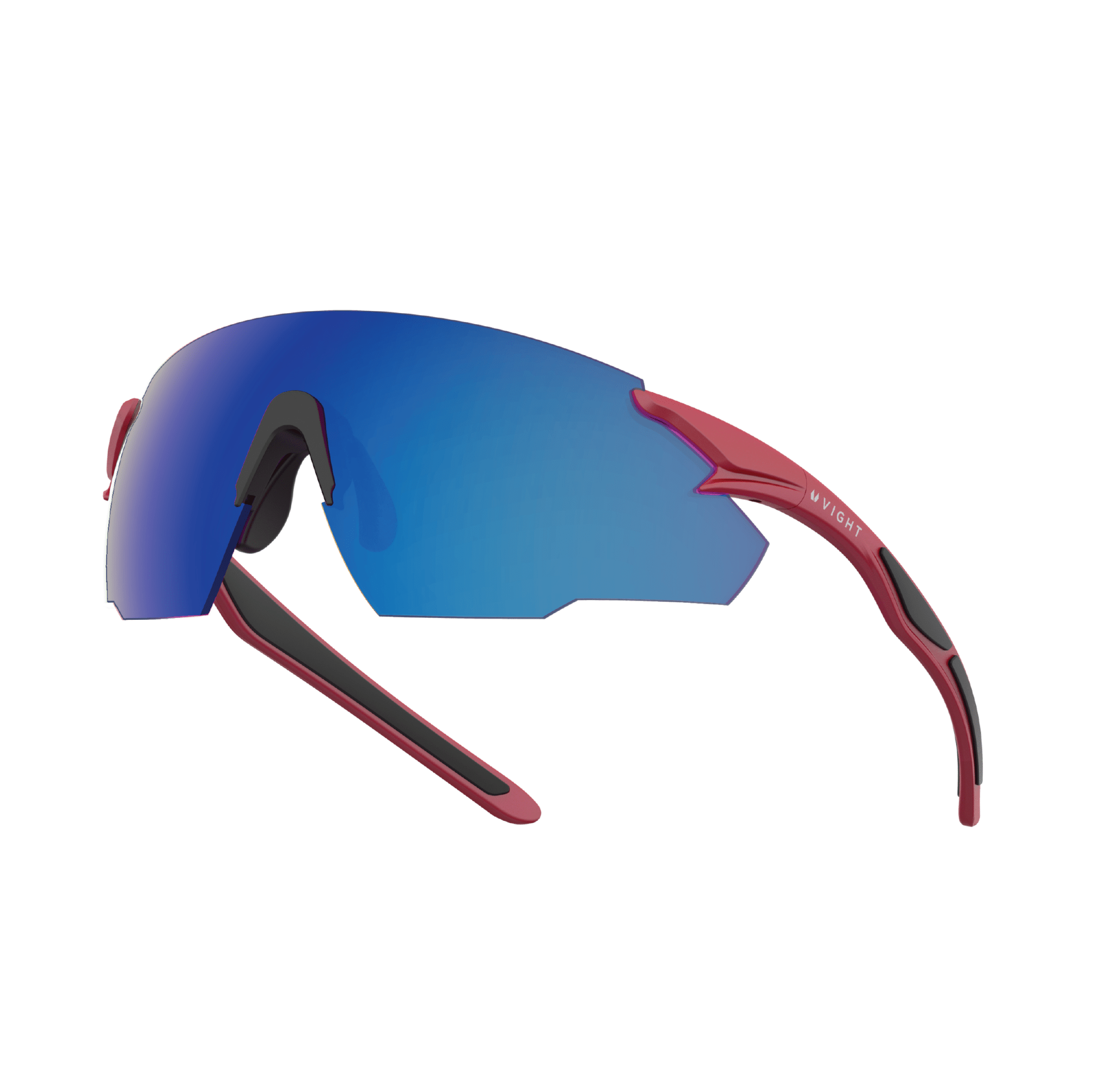
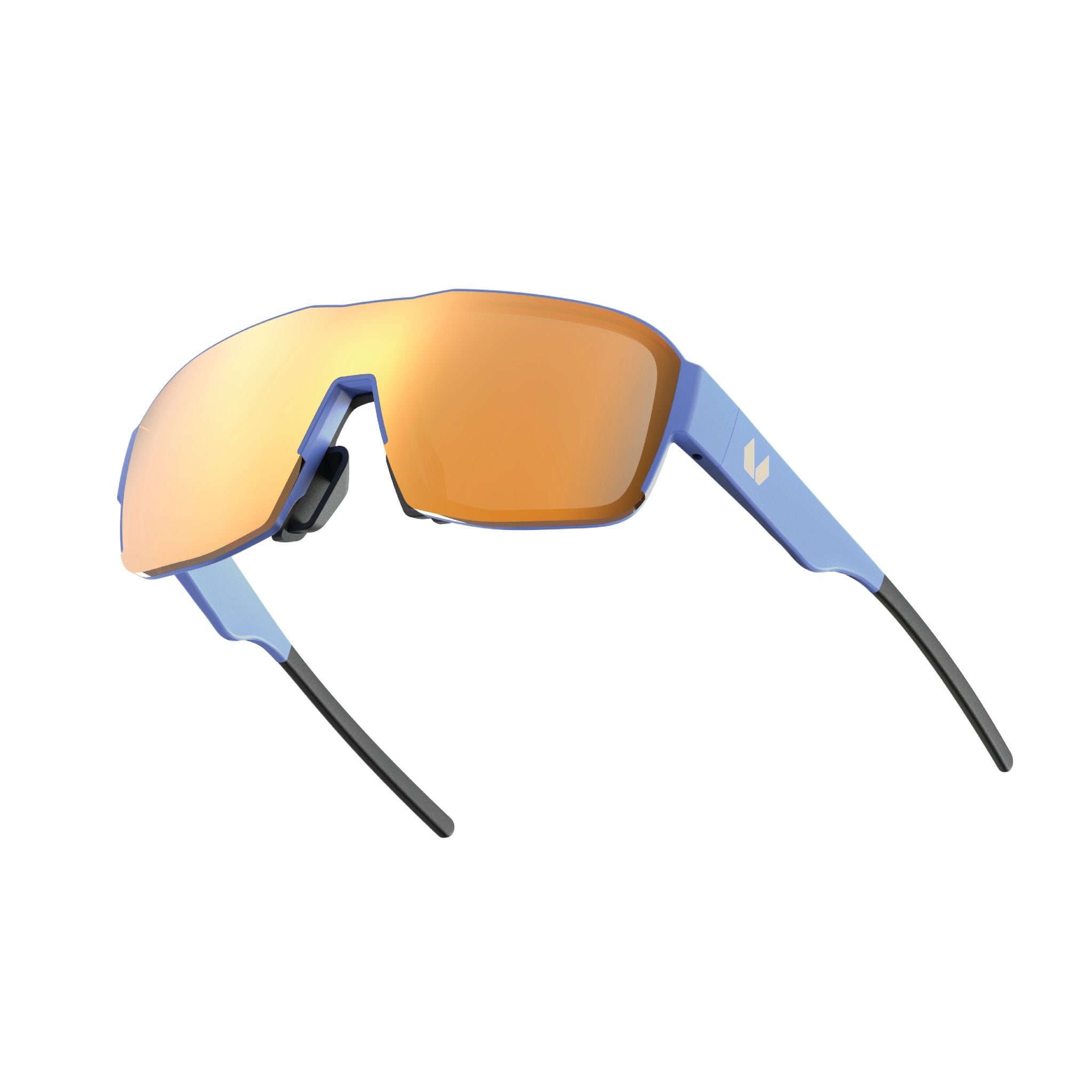
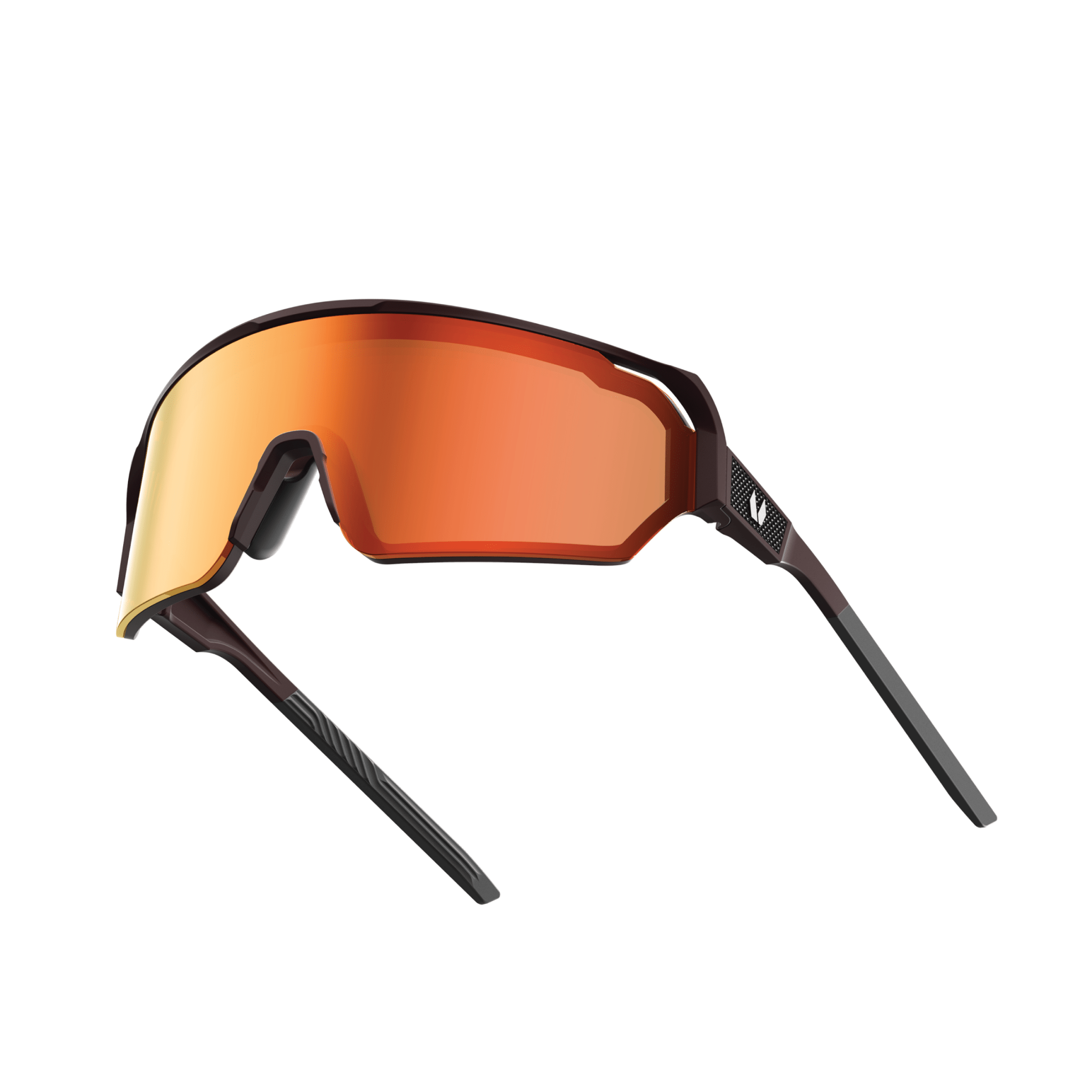
When you run, sunglasses do more than block the sun: they affect your view, stability and comfort. From UV protection and cutting glare off the road to a fit that stays comfortable for hours, the right running sunglasses keep you clear and steady in any weather and on any surface. With lightweight designs, adjustable fits and a range of lens technologies, VIGHT runs with you from city roads to mountain trails.
Sun protection |
Blocks UV and harsh light, reducing discomfort and strain on your eyes from sun exposure.
Vision |
Cuts glare and reflections and sharpens detail on the ground for a clearer, steadier view.
Stability |
Adjustable nose pads and temples stay snug as you run, with less bounce and slipping.
Comfort |
Light materials and ventilation reduce pressure and fogging, so they stay comfortable on long runs.
Lens Comparison

RIDGE High Contrast
Sharper road detail and contrast
City running, road running and anywhere you need to read the ground in detail
Runners who want a clear view and to read the road

Photochromic Lens
Darkens and lightens automatically with the light
Morning runs, dusk runs and routes with changeable weather
Those who often train at different times of day or in changing light

Polarized Lens
Cuts reflected glare and harsh brightness
Strong sun, ground glare, and riverside or asphalt routes with lots of reflection
Those who are sensitive to glare and want comfortable vision

UV400
Basic UV protection outdoors
Everyday outdoor activities and general sport
Wearers who need basic sun protection
Running FAQs
Choose by Face Shape and Needs

For Smaller Faces
Choose a more compact style with a closer fit, so it’s not too wide and doesn’t slide down.

For Medium Faces
Most standard fits will suit you, so choose by the wrap, lens features and style you like.

For Wider Faces
For those who want to balance their face shape and a more harmonious look: fuller lenses and well-proportioned frames give a smoother, more flattering result.

For Large-Lens Fans
For those who value stability, wind protection and side coverage, with fuller wrap for outdoor sport.