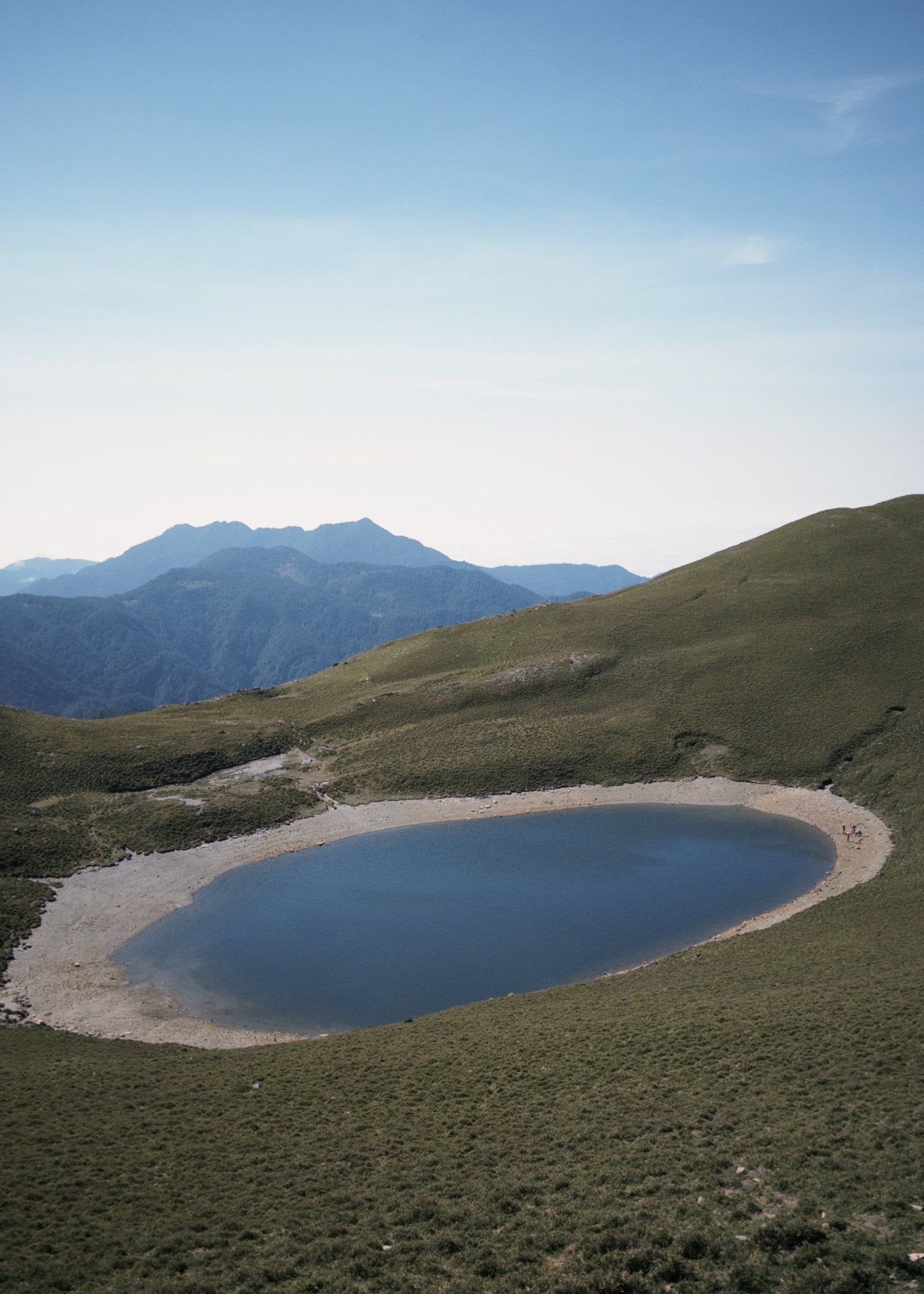
Because it's there.
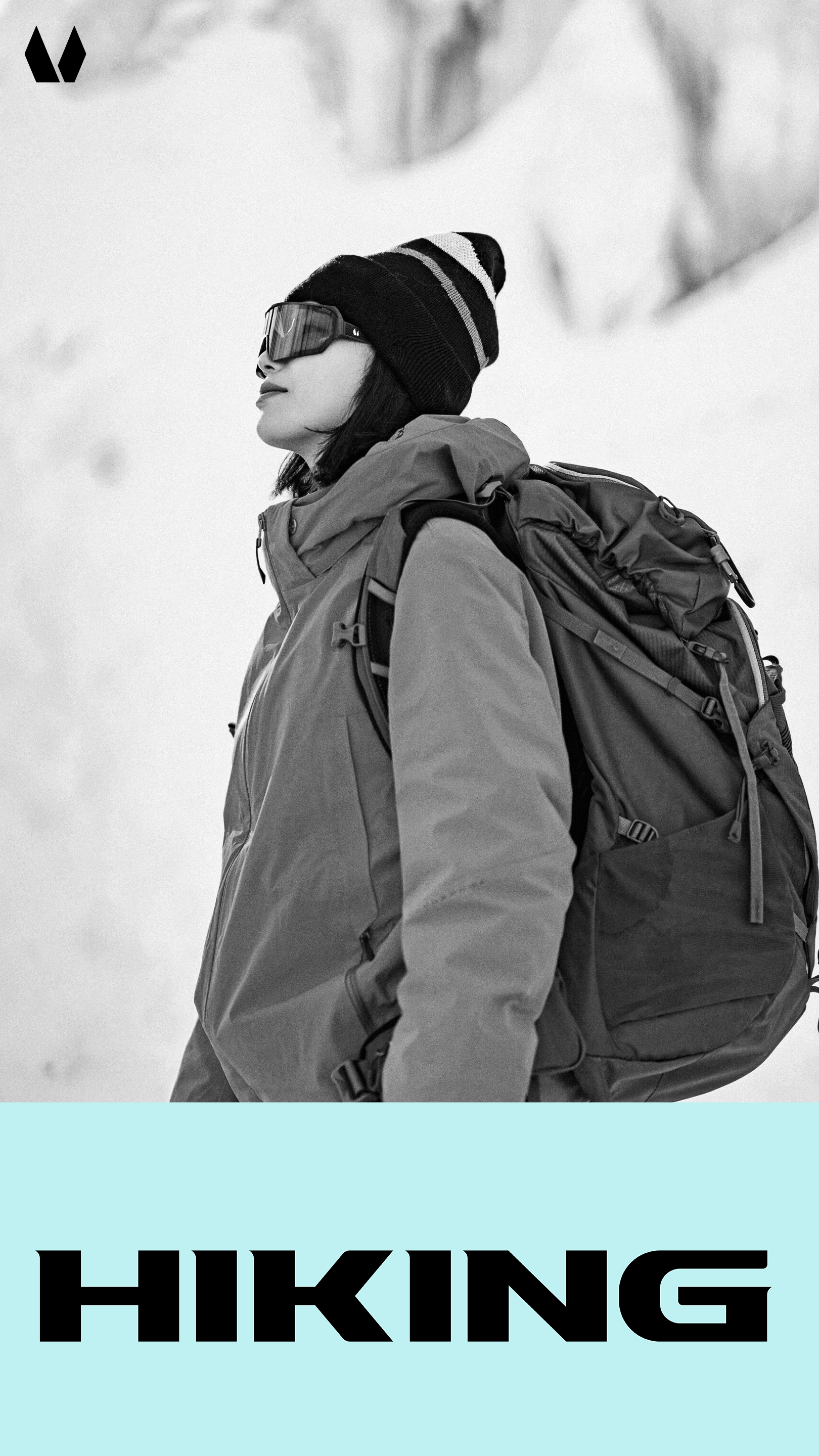
Why Wear Sunglasses for Hiking?
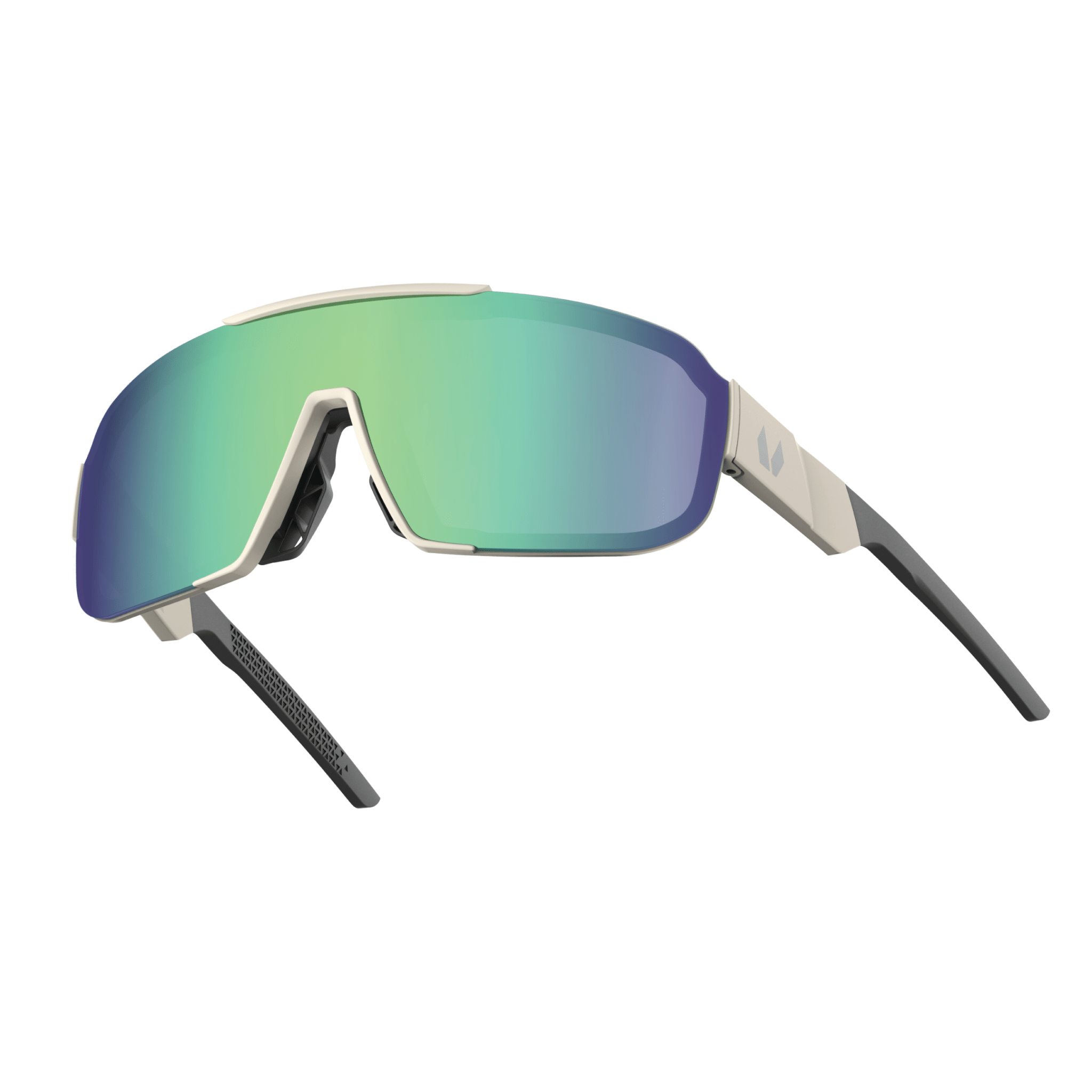
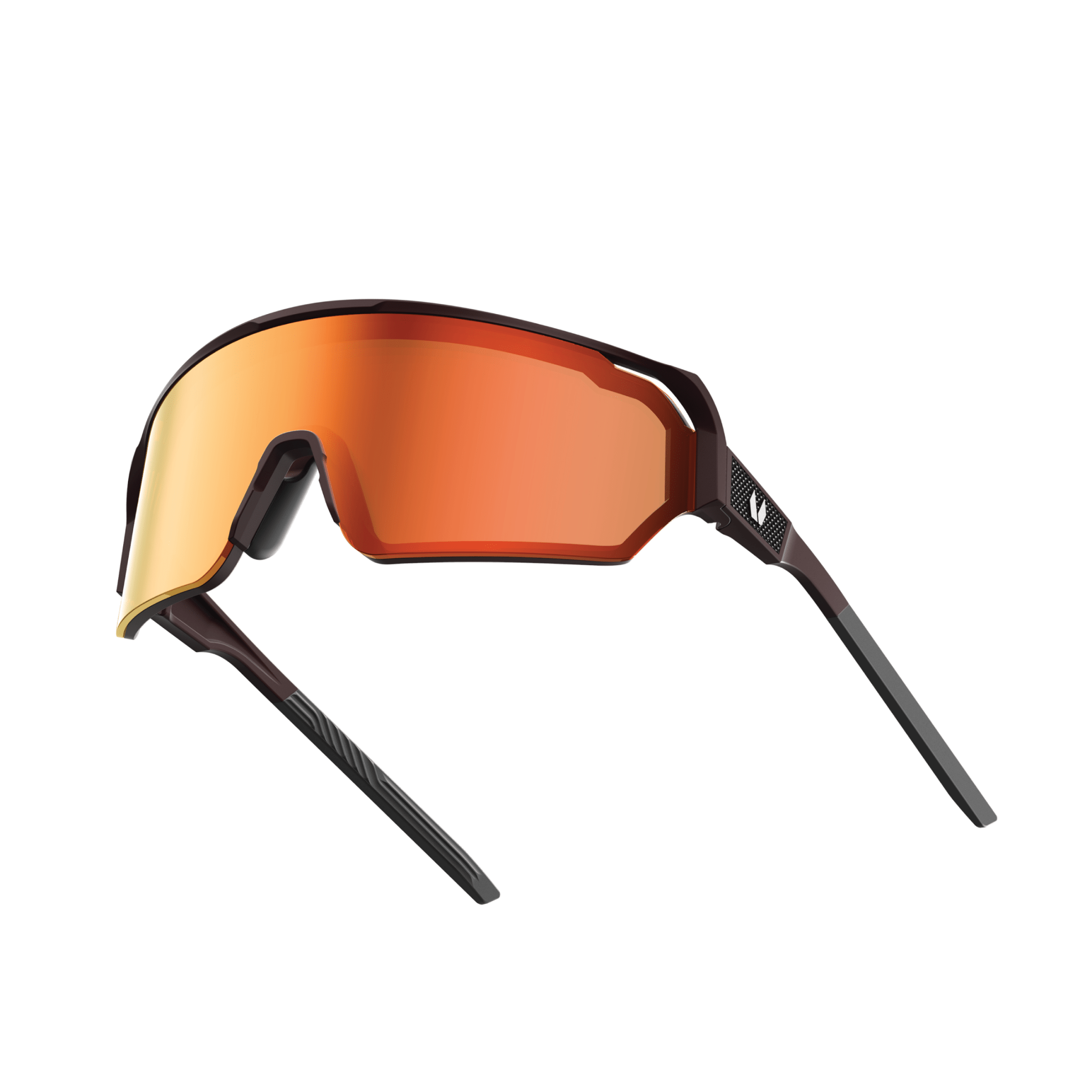
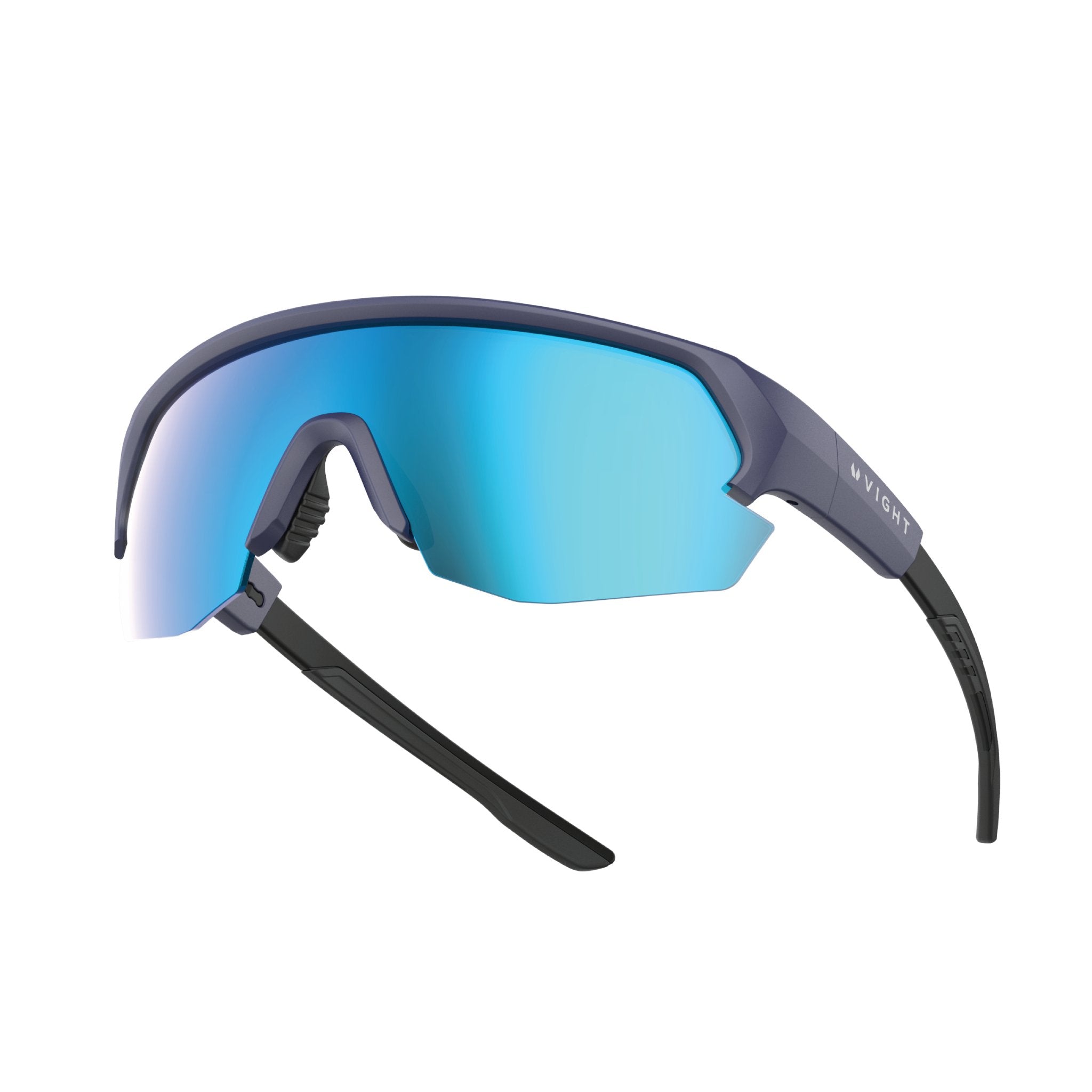
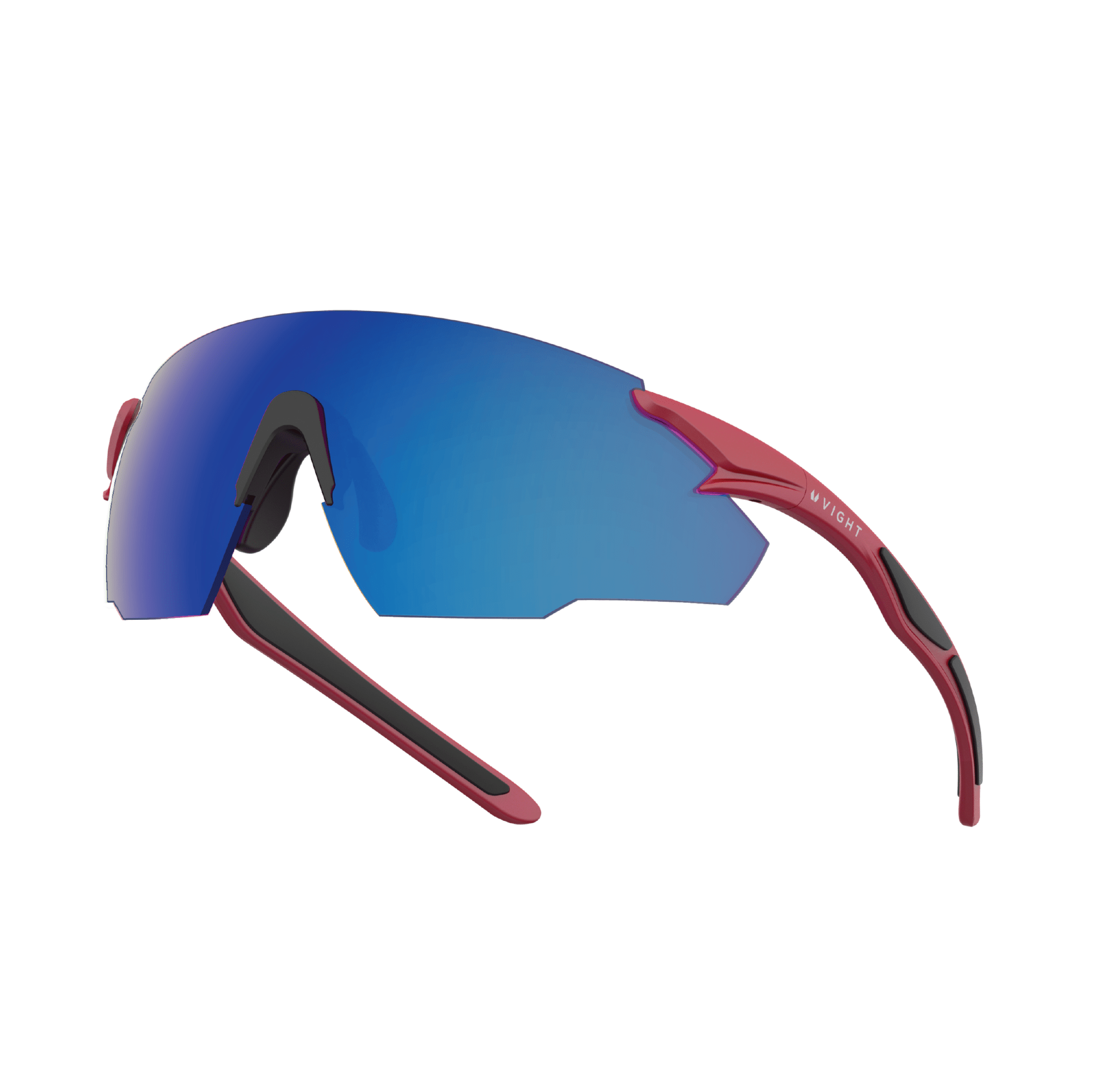
In the mountains, sunglasses do more than block the sun: they affect your vision, safety and comfort. Facing strong high-altitude light, strong wind and changing terrain, the right hiking sunglasses help you keep a clear, steady view. With lightweight designs, wraparound frames and a range of lens technologies, VIGHT goes with you from local hill walks to high-mountain traverses and outdoor adventures.
Protection |
Blocks UV, strong wind, dust and branches, reducing discomfort and impact on your eyes from sun exposure and the elements.
Vision |
Cuts strong mountain light, glare and reflections off the ground, making the trail, the terrain and your surroundings easier to read for a clearer, steadier view.
Stability |
Wraparound frames with a lens curve designed for Asian faces stay snug on the move, with less bounce, slipping and light leaking in from the sides.
Comfort |
Light, skin-friendly materials designed for long wear reduce pressure and weight, whether you’re hiking, climbing or on a long traverse.
Lens Comparison

RIDGE High Contrast
Sharper terrain detail and easier route reading
Hill walks, high-mountain traverses, forest trails, and mountains with uneven terrain and sharp light-to-shade changes
Hikers who want a clear view of the trail, to read the terrain and to move safely

Photochromic Lens
Darkens and lightens automatically with the light
Early starts, cloudy afternoons, routes that alternate between forest and ridgeline, and changeable weather
Those who are often out at different altitudes and in changing light

Polarized Lens
Cuts reflected glare for a more comfortable view
Hill walks, exposed ridgelines, coastal mountain paths and routes with strong sun and glare
Those who are sensitive to glare and want comfortable vision

UV400
Basic UV protection outdoors
Everyday hiking, hill trails, general outdoor activities and basic mountaineering
Hikers who need basic sun protection
FAQs and Buying Tips
FAQs
Shop by Face Shape and Needs

For Smaller Faces
Choose a more compact style with a closer fit, so it’s not too wide and doesn’t slide down.

For Medium Faces
Most standard fits will suit you, so choose by the wrap, lens features and style you like.

For a High-Wrap Fit
For those who value stability, wind protection and side coverage, with fuller wrap for outdoor sport.

For Lower Nose Bridges
Choose a fit designed for Asian faces, with adjustable nose pads or better support, for a more stable, comfortable fit.